Skip to product information
1 of 2

RetireMints

RetireMints

The Unemployed Philosopher's Guild

Regular price £3.76 GBP
Regular price Sale price £3.76 GBP
Sale Not Available
Shipping calculated at checkout.

In stock

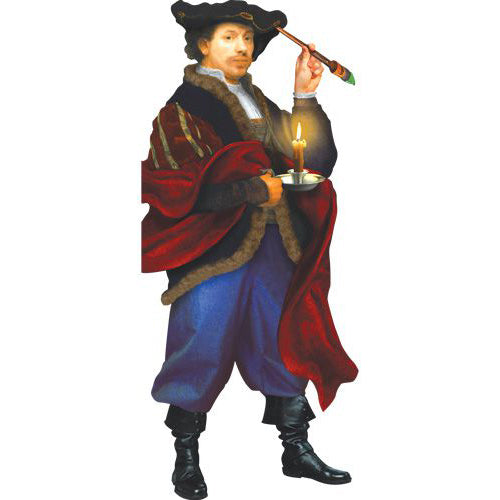
Say goodbye to tension and hello to pension pep with UPG’s super-strong mints! Each tin, featuring a charming design inspired by Grant Wood’s "American Gothic," holds invigorating mints that keep retirees feeling cool and refreshed on the go. Who knew staying energized could look this stylish?

  • Net wt .4 oz (12 g)

Product Details

  • Product type: Mints
  • Shipping Weight: 0.06 lb (1.0 oz; 28 g)
  • SKU: SKU: SKU010015201
  • UPC: 814229007302

In these collections: All Products, Food & Drink, Gifts Under $10, Grant Wood, and The Unemployed Philosopher's Guild.

View full details

The Unemployed Philosopher's Guild

RetireMints

Ingredients

Sorbitol, Natural Peppermint Oil, Other Natural and Artificial Flavors, Magnesium Stearate, Acesulfame Potassium.

Grant Wood

About the Artist

Grant Wood

Grant DeVolson Wood (1891 – 1942) was an American painter and representative of Regionalism, best known for his paintings depicting the rural American Midwest. He is particularly well known for American Gothic (1930), which has become an iconic example of early 20th-century American art.

Grant Wood in the Chrysler Museum
The Unemployed Philosopher's Guild

About the Brand

The Unemployed Philosopher's Guild

The origins of the Unemployed Philosophers Guild are shrouded in mystery. Some accounts trace the Guild's birth to Athens in the latter half of the 4th century BCE. Allegedly, several lesser philosophers grew weary of the endless Socratic dialogue endemic in their trade and turned to crafting household implements and playthings. (Hence the assertions that Socrates quaffed his hemlock poison from a Guild-designed chalice, though vigorous debate surrounds the question of whether it was a "disappearing" chalice.)

Others argue that the UPG dates from the High Middle Ages, when the Philosophers Guild entered the world of commerce by selling bawdy pamphlets to pilgrims facing long lines for the restroom. Business boomed until 1211 when Pope Innocent III condemned the publications. Not surprisingly, this led to increased sales, even as half our membership was burned at the stake.

More recently, revisionist historians have pinpointed the birth of the Guild to the time it was still cool to live in New York City's Lower East Side. Two brothers turned their inner creativity and love of paying rent towards fulfilling the people's needs for finger puppets, warm slippers, coffee cups, and cracking up at stuff.

Most of the proceeds go to unemployed philosophers (and their associates). A portion also goes to some groups working on profound causes.