

Mehr Claude Monet
-
Sugar-Free Mints Tin: Woman with a Parasol
Normaler Preis £3.80 GBPNormaler PreisStückpreis pro -
Art Button: Monets „Japanische Brücke“
Normaler Preis £1.54 GBPNormaler PreisStückpreis pro -
Claude Monet Magnetische Fingerpuppe
Normaler Preis £6.87 GBPNormaler PreisStückpreis pro -
Lenticular Postcard: Monet (Water Lilies)
Normaler Preis £2.49 GBPNormaler PreisStückpreis pro -
What the Artist Saw: Claude Monet
Normaler Preis £11.51 GBPNormaler PreisStückpreis pro -
Lenticular Postcard: Monet (Impression, Sunrise)
Normaler Preis £2.49 GBPNormaler PreisStückpreis pro -
Lenticular Postcard: Monet (Woman with Parasol Turned Toward the Right)
Normaler Preis £2.49 GBPNormaler PreisStückpreis pro -
Quilling-Karte der Künstlerserie: „Sonnenblumen“ von Vincent van Gogh
Normaler Preis £23.03 GBPNormaler PreisStückpreis pro -
Claude Monet „Kleiner Denker“ Plüschpuppe
Normaler Preis £18.42 GBPNormaler PreisStückpreis pro






Über das Brand
The Unemployed Philosopher's Guild
-

Museum Store Association Member
-

Supports Non-profit Organizations
-

Designed in USA


Mehr von The Unemployed Philosopher's Guild
-
Bob Ross magnetische Fingerpuppe
Normaler Preis £6.87 GBPNormaler PreisStückpreis pro -
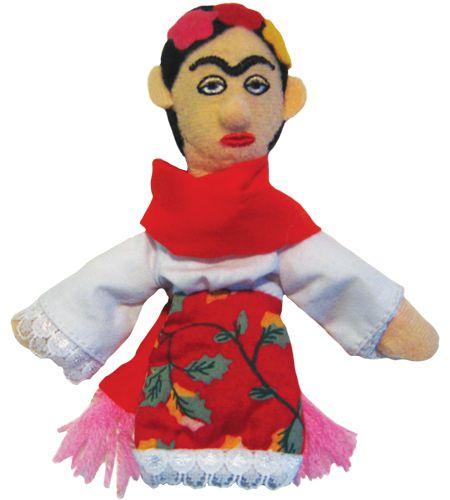
Frida Kahlo Magnetische Fingerpuppe
Normaler Preis £6.87 GBPNormaler PreisStückpreis pro -
Claude Monet Magnetische Fingerpuppe
Normaler Preis £6.87 GBPNormaler PreisStückpreis pro -
Große Akte in der Kunst-Tasse
Normaler Preis £15.31 GBPNormaler PreisStückpreis pro -
Pokal für moderne Kunst
Normaler Preis £15.31 GBPNormaler PreisStückpreis pro -
Frida Dreams Tasse
Normaler Preis £15.31 GBPNormaler PreisStückpreis pro -
Frank Lloyd Wright – Gestanzte Notizkarte mit Aufklebern
Normaler Preis £3.03 GBPNormaler PreisStückpreis pro -
Magnetische Fingerpuppe Diego Rivera
Normaler Preis £6.87 GBPNormaler PreisStückpreis pro -
Rembrandt - Gestanzte Notizkarte mit Aufklebern
Normaler Preis £3.03 GBPNormaler PreisStückpreis pro -
Pablo Picasso – Gestanzte Notizkarte mit Aufklebern
Normaler Preis £3.03 GBPNormaler PreisStückpreis pro